

Agent Protocol Tracker: Live Status of Every Agent-Readiness Standard
The living reference: specification stage, governance, real consumers, and top-500 adoption numbers for all 16 agent-readiness protocols. Updated monthly and after major protocol news.
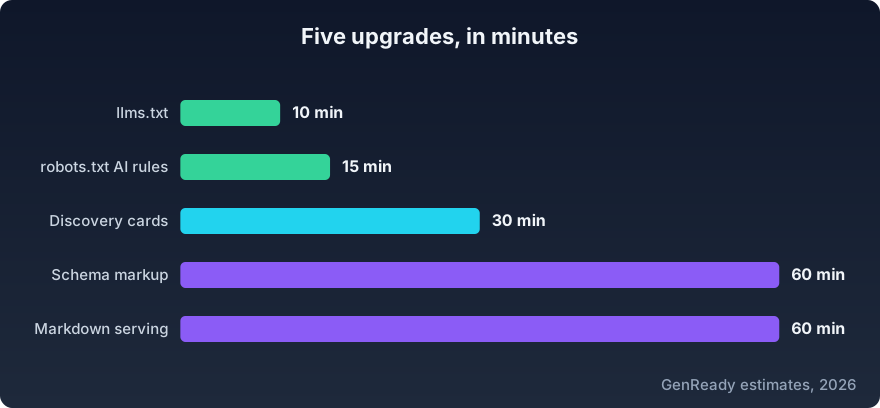
Agent Readiness in an Afternoon: Five Upgrades of an Hour or Less
About three hours of work covers the agent readiness fundamentals for a typical site: robots.txt AI rules, llms.txt, schema markup, markdown serving, and discovery cards. The checklist, with verification steps.
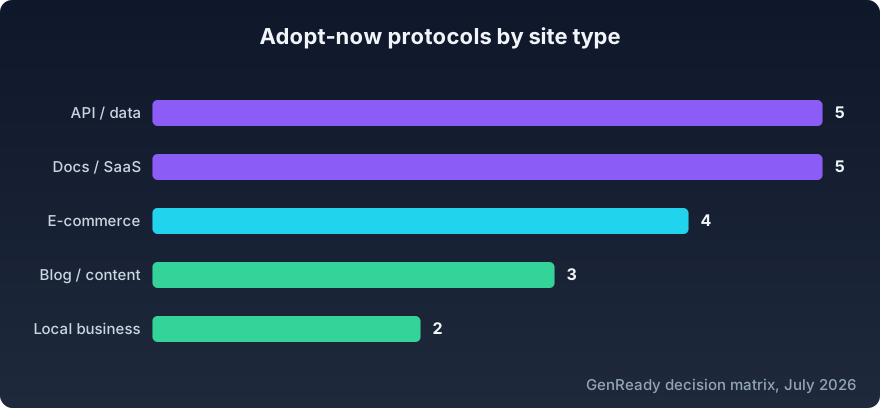
Which Agent Readiness Protocols Does Your Site Actually Need? The Adopt/Watch/Skip Matrix
Seventeen protocols, five site types, one matrix. What blogs, SaaS products, stores, API businesses, and local sites should adopt now, watch, or skip with a clear conscience.
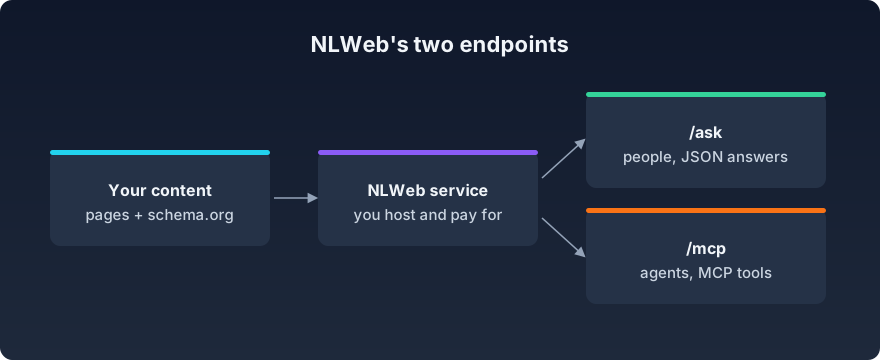
What is NLWeb and should your site implement it?
Microsoft's NLWeb gives any site an /ask endpoint that answers questions from live data. Adoption stalled anyway. Why it happened, what would change it, and who should still pilot one.
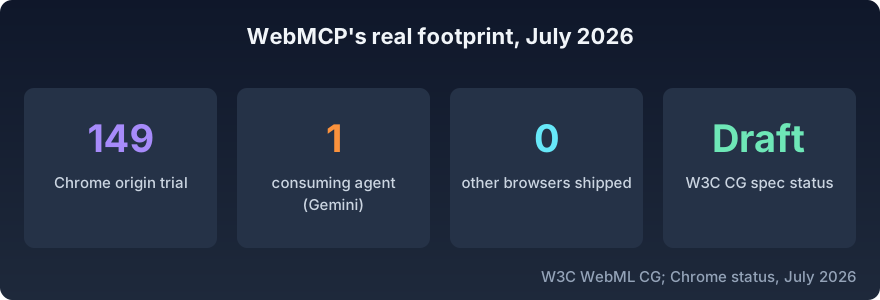
Should your website implement WebMCP now?
Chrome 149 runs a public origin trial of WebMCP, but only one agent can use it. What the spec does, where it really stands, and which sites should join the trial now.
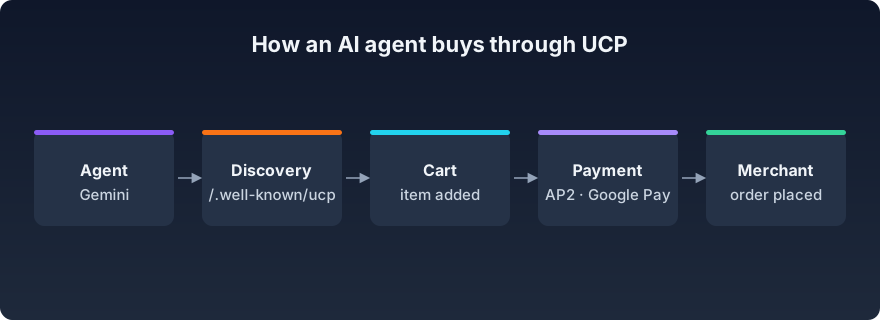
UCP Explained: 8,000 Stores Joined Google's AI Shopping Protocol in 5 Months. Should Yours?
Google's Universal Commerce Protocol went from launch to 8,000+ verified stores in five months. How agent checkout works, what it costs versus OpenAI's ACP, and whether your store should adopt it.
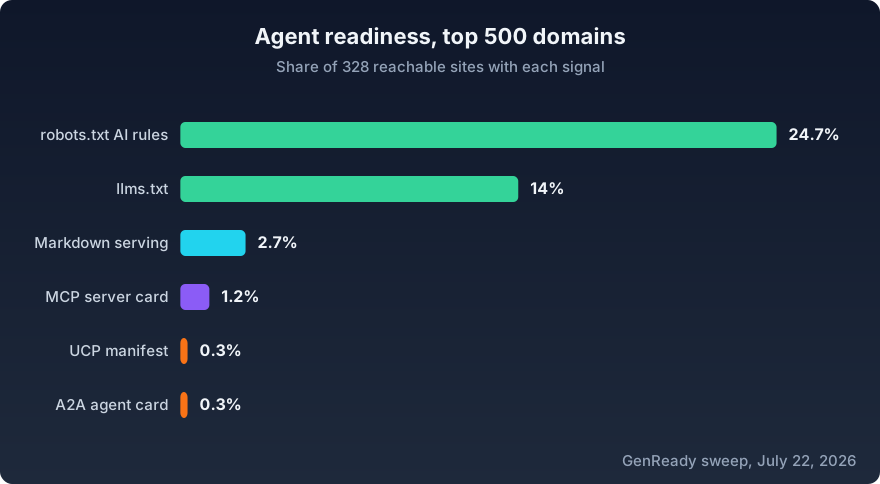
We Checked the Web's Top 500 Domains for Agent Readiness. One Passed.
GenReady analyzed the Tranco top 500 for eight agent-readiness signals: 24.7% set AI crawler rules, 14% publish llms.txt, four sites publish MCP cards, and exactly one domain is fully agent-ready.
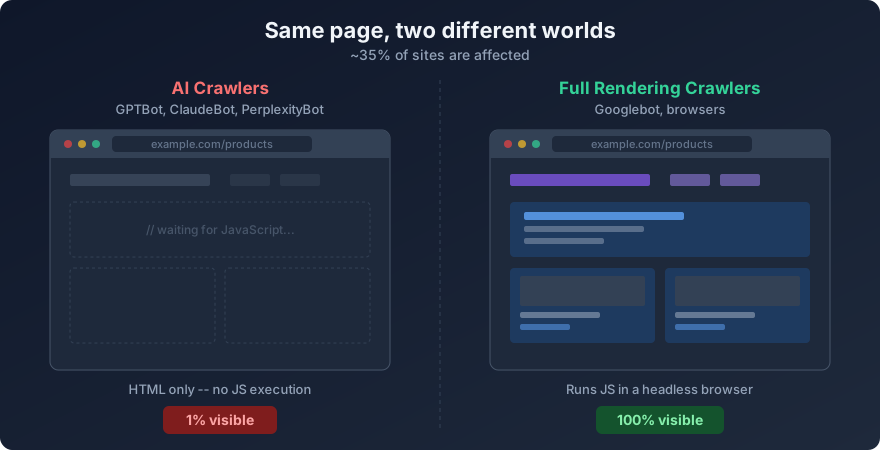
How to Fix JavaScript Rendering for AI Crawlers: SSR, SSG, and Pre-rendering Guide
AI crawlers don't execute JavaScript. If your site is client-side rendered, ~35% of the web's problem, here's how to fix it with SSR, SSG, ISR, or pre-rendering.
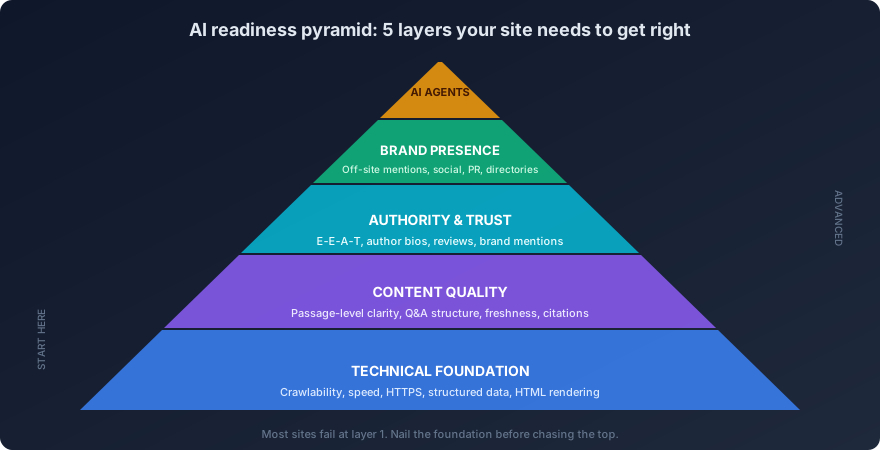
The Complete AI Readiness Checklist for Website Owners (2026)
An item-by-item checklist for making your website visible to AI search engines and AI agents. Covers technical setup, content structure, authority signals, and agent readiness, with real benchmarks.
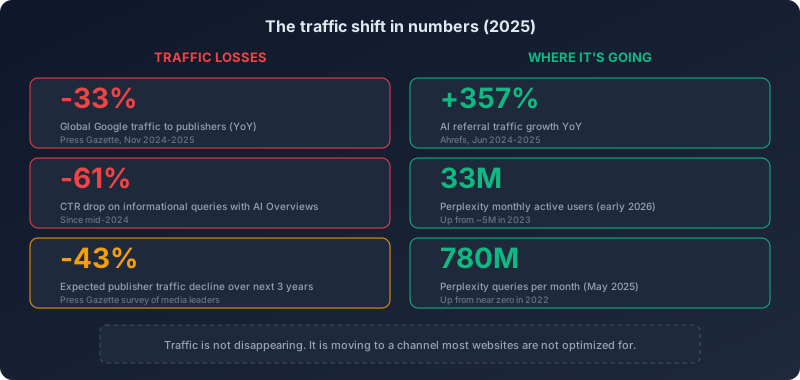
Why Your Website Traffic Is Declining (And It's Not What You Think)
Website owners are seeing unexplained traffic drops of 15-38%. The cause is not a Google penalty. It is AI search answering queries before users click. Here is the data, and what to do about it.
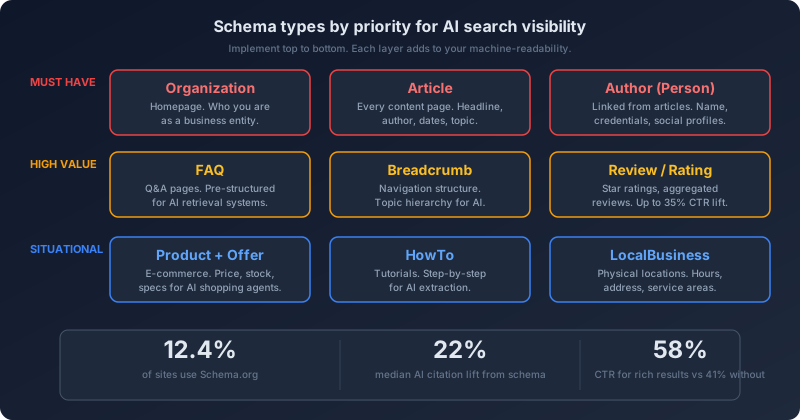
Schema Markup for AI Search: The Definitive Implementation Guide
Structured data is the number one technical factor for AI search visibility, yet 87.6% of websites skip it. Here is exactly which schema types to implement, in priority order, with copy-paste JSON-LD examples.
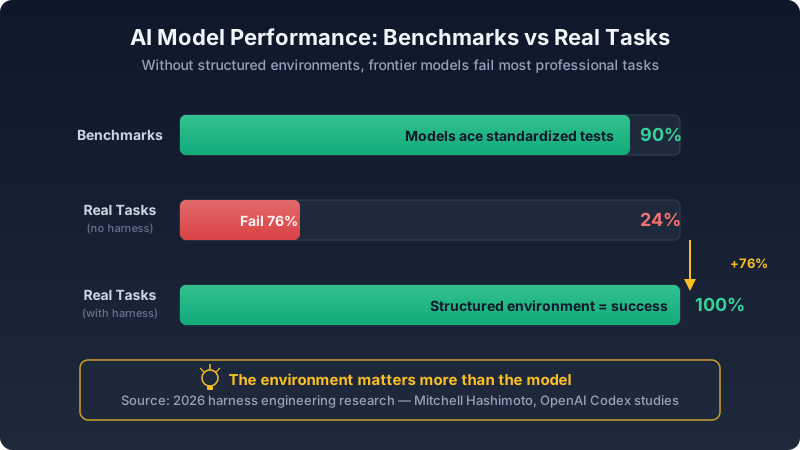
Why AI Models Fail 76% of Real Tasks - And What This Means for Your Website
Frontier AI models score 90% on benchmarks but complete only 24% of real tasks without structured environments. The new 'harness engineering' methodology reveals why your website's structure matters more than which AI model visits it — and what OpenAI's $110B raise means for the agentic web.
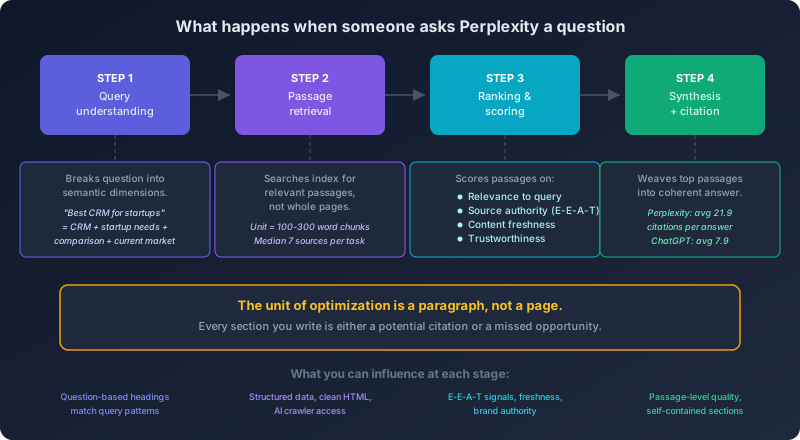
How AI Search Engines Actually Work (And Why Your SEO Strategy Needs to Change)
A plain-English explanation of how Perplexity, ChatGPT, and Google AI Overviews decide which websites to cite. With real data on citation patterns and a practical framework for optimization.
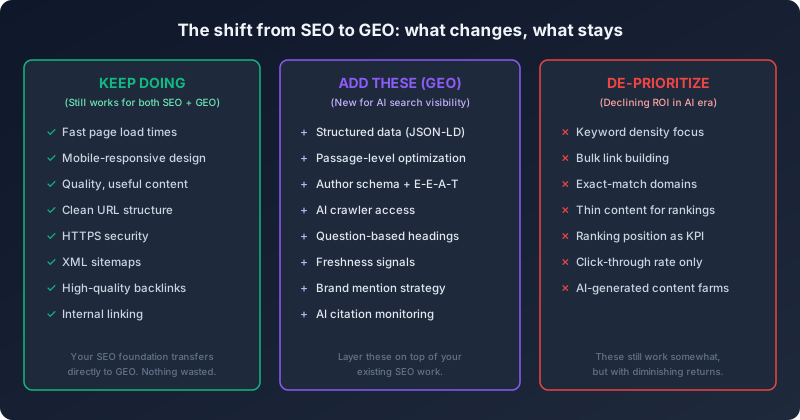
How to Future-Proof Your Website for AI Search
Traditional SEO is not dead, but it is a shrinking channel. The sites winning in 2026 are layering GEO on top of SEO. Here is the data, what changed, and a practical transition plan.
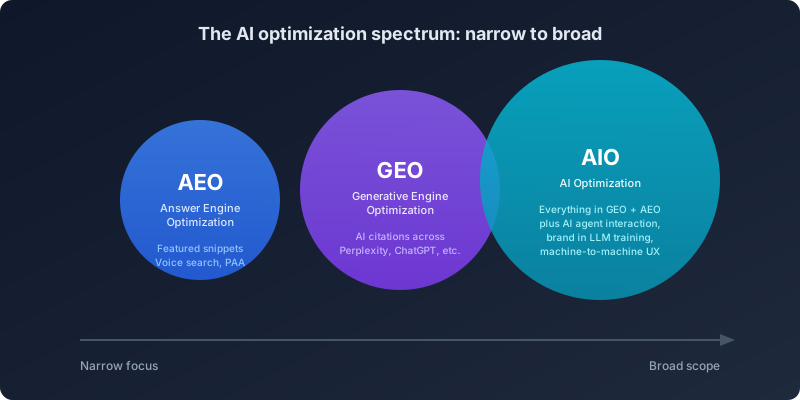
AIO vs GEO vs AEO: Which AI Optimization Strategy Does Your Website Need?
AIO, GEO, AEO, LLMO — the jargon keeps multiplying. Here's what each term actually means, where they overlap (a lot), and which strategy deserves your time based on real data.
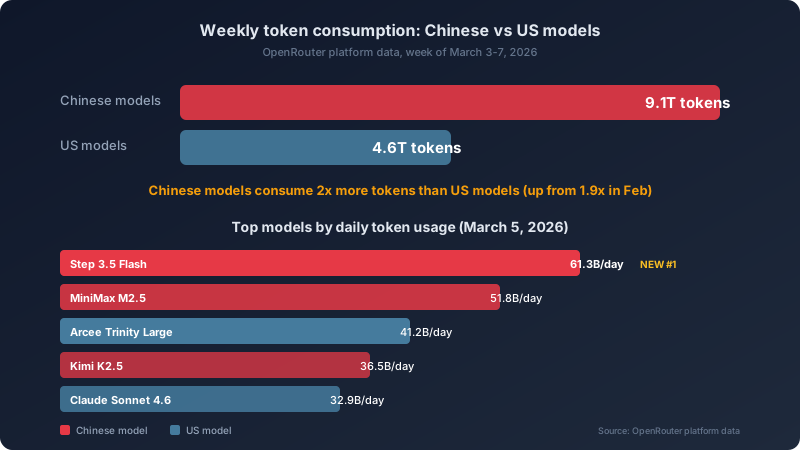
Chinese AI Models Just Overtook American Ones in Usage. Here's Why That Matters for Your Website.
OpenRouter data shows Chinese models consumed 5.16 trillion tokens last week vs 2.7 trillion for US models — driven by 16x cheaper pricing. What this means for web developers: more diverse AI traffic, the growing importance of structured data, and why MCP integration matters now.
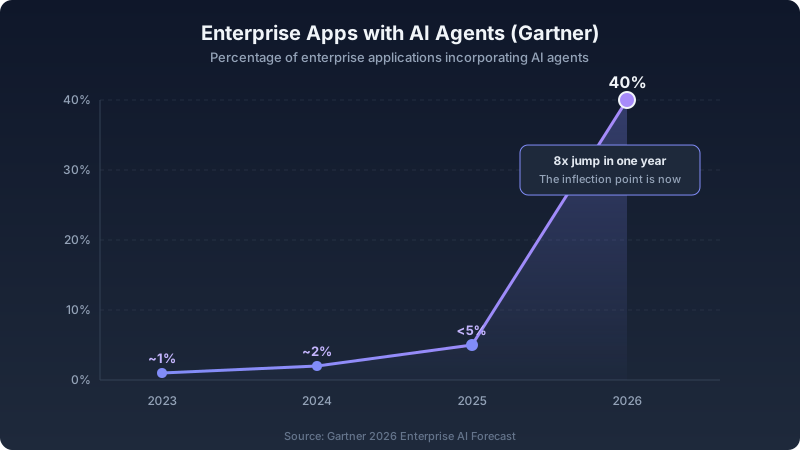
40% of Enterprise Apps Will Have AI Agents by Year-End. Is Your Website Ready for Them?
Gartner forecasts 40% of enterprise applications will incorporate AI agents by December 2026, up from under 5% in 2025. The agentic AI market passes $10.9 billion. Here's what the multi-agent wave means for your website and how to prepare.

65% of Google Searches Now End Without a Click. Here's How to Stop Bleeding Traffic.
Two out of three Google searches end without a click to any website. AI Overviews trigger on 32-40% of US searches, and the zero-click rate is projected to hit 70% by year-end. The shift from ranking to citation changes everything for website owners.